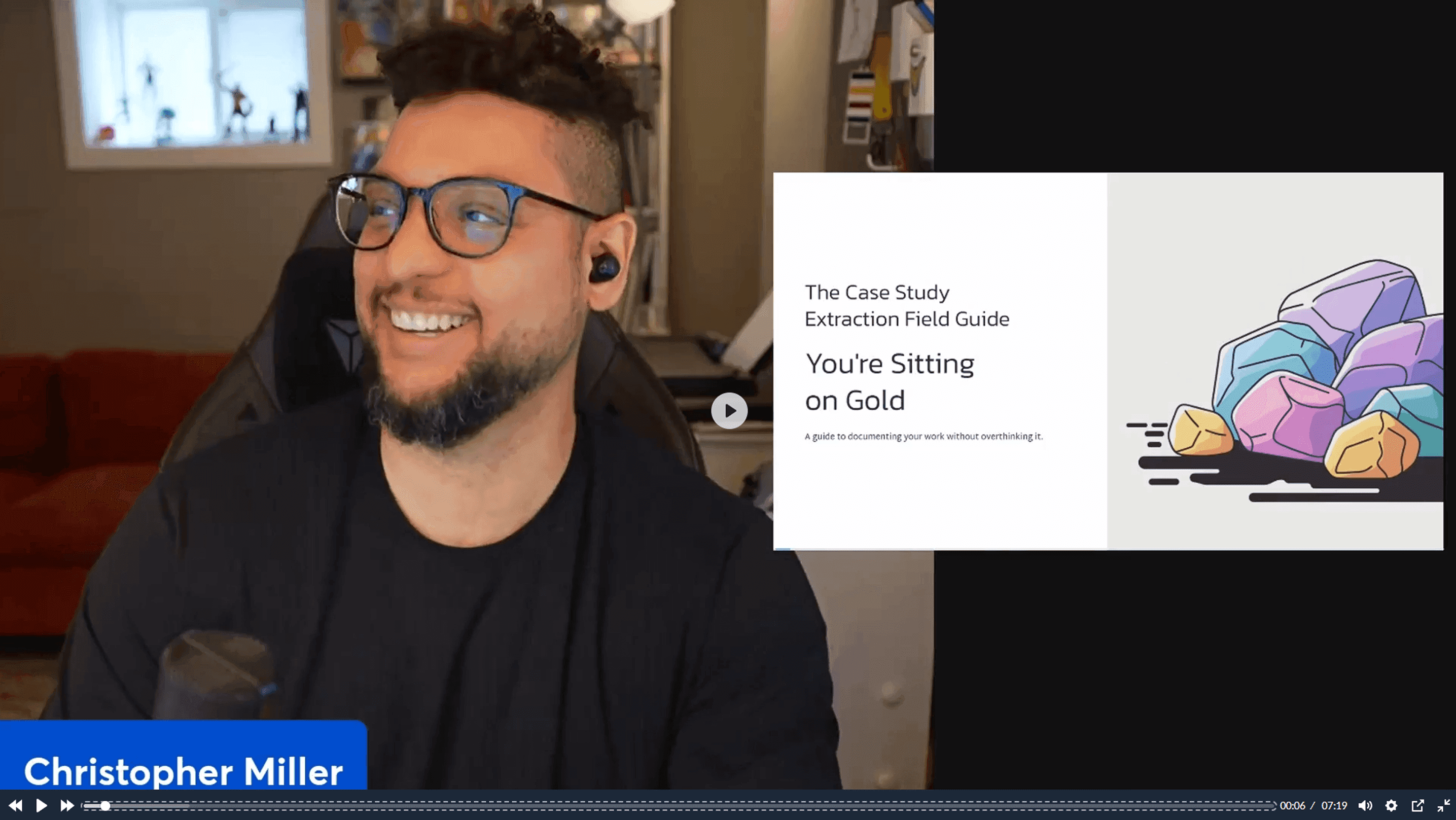
Walk.
Talk.
Connect.
A monthly walking community for UXers — built outside office hours, out of love for the craft and the people who practice it. We made those hallway conversations the main event.
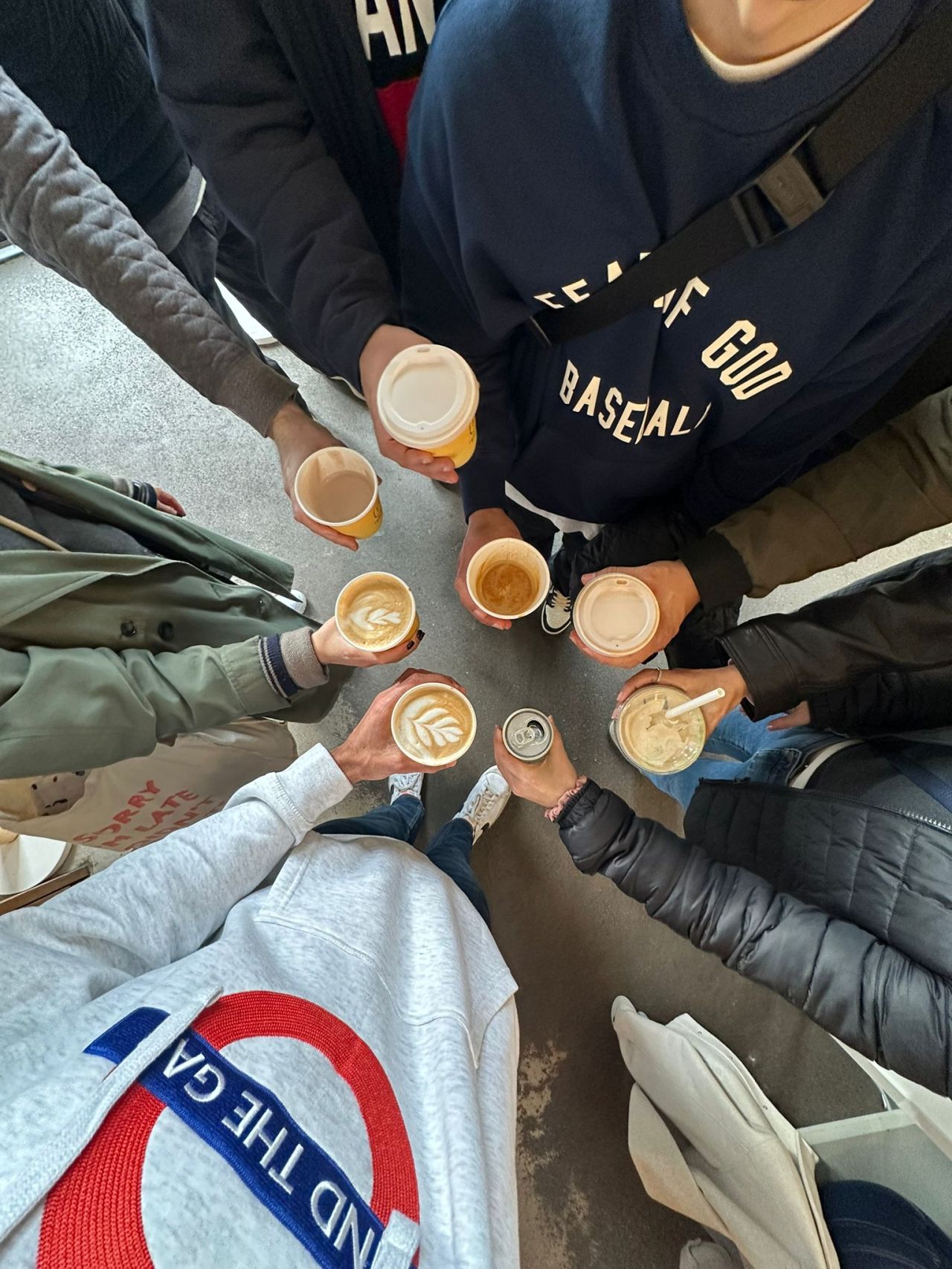
monthly episodes since August 2024
UXers per walk — kept intentionally small
consecutive months including December
participation cost — free, open, and ongoing
Toronto's design community is rich — but how we connect keeps getting in the way.
So much of how we meet happens in constrained formats — conference panels, LinkedIn posts, Zoom calls where everyone's a little guarded. The conversations that actually matter tend to happen in the margins.
We wanted to make those conversations the main event. Not networking — connection. Not showcasing portfolios — sharing real experiences.
"The only participation cost is knowledge to share."
Movement as a social lubricant— walking side by side loosens people up
Real honesty— not polished LinkedIn narratives, actual experiences
Intentionally small— ~20 people, so everyone gets heard
Zero barrier to entry— no tickets, no sponsors, no agenda beyond the theme
Panel discussions — one voice at a time, from a stage
LinkedIn networking — performative and guarded
Zoom calls — everyone a little too polished
Big conferences — margin conversations lost in the noise
When you're walking beside someone instead of facing them, something shifts. People talk differently. More honestly.
Not a meetup — a gathering. Small enough that every voice gets heard, not just the loudest ones.
Career transitions, burnout, failures worth talking about. Just walking, talking, and the kind of honesty that's hard to find.
It started with a good summer day and a better conversation.
In the summer of 2024, Arjit Singh and I had just come off an energizing Design Next Toronto event — the kind that reminds you why you got into this work in the first place. We were still buzzing when a simple question surfaced: what's stopping us from creating something of our own?
The answer, we quickly realized, was nothing. So we didn't wait.
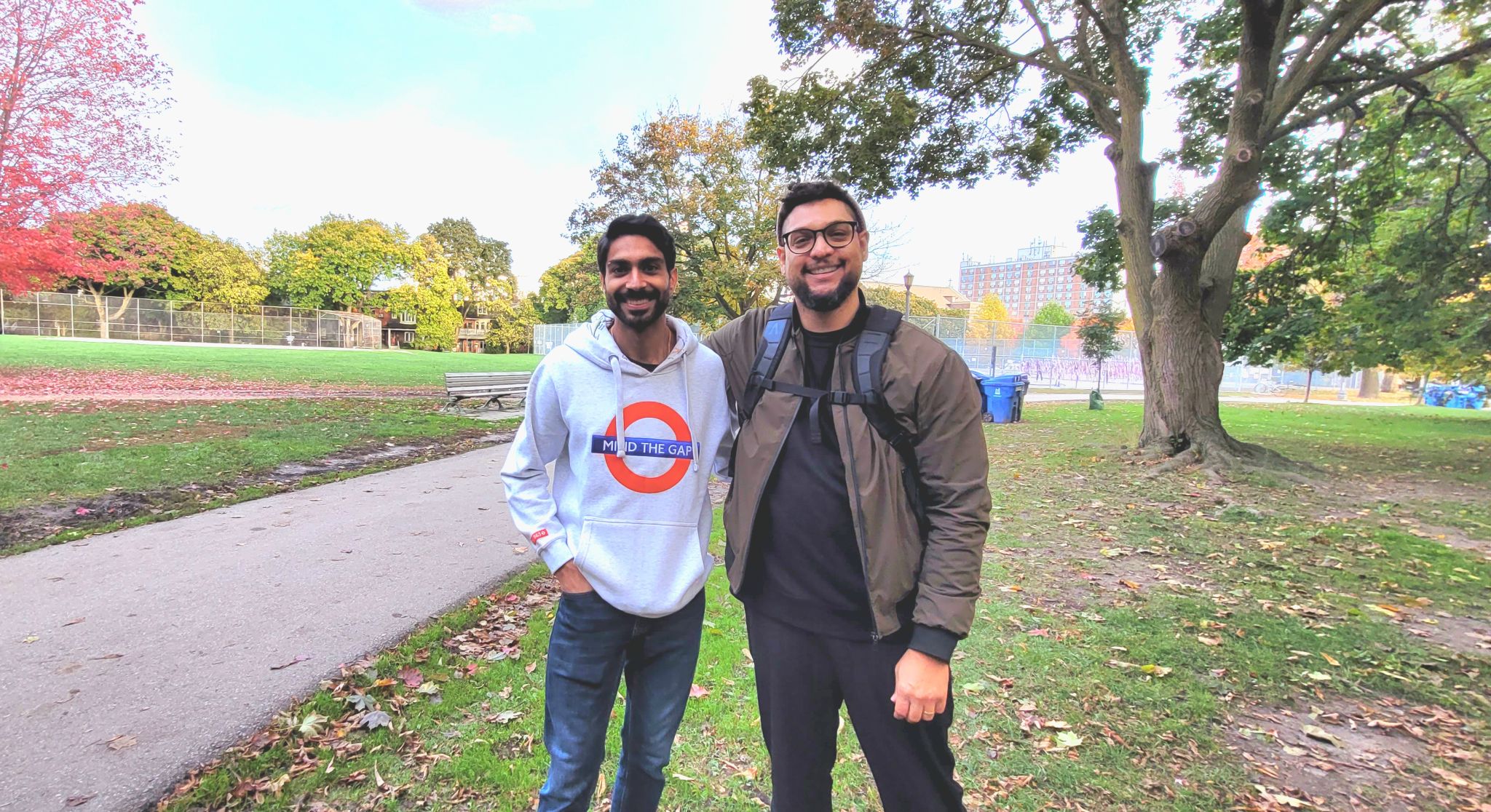
Each episode has a theme. No slides. No panels. Just walking, talking, and honesty.
Career transitions, burnout and recovery, failures worth talking about. The theme sets the stage — but the community brings the rest.
"This isn't about pitching services or hunting for jobs — it's about building a compassionate creative community where we can be honest about where we are, where we want to be, and how we actually get there."
Passion projects, career shifts, things we don't usually say out loud. The theme gives people permission to go there.
Through parks, galleries, neighbourhoods. Movement isn't the backdrop — it's the mechanism that makes the conversation possible.
A coffee shop, a gallery, a bench in the park. The walk ends, but the conversation doesn't have to.
Same commitment. Different theme. The community grows. So does the trust.
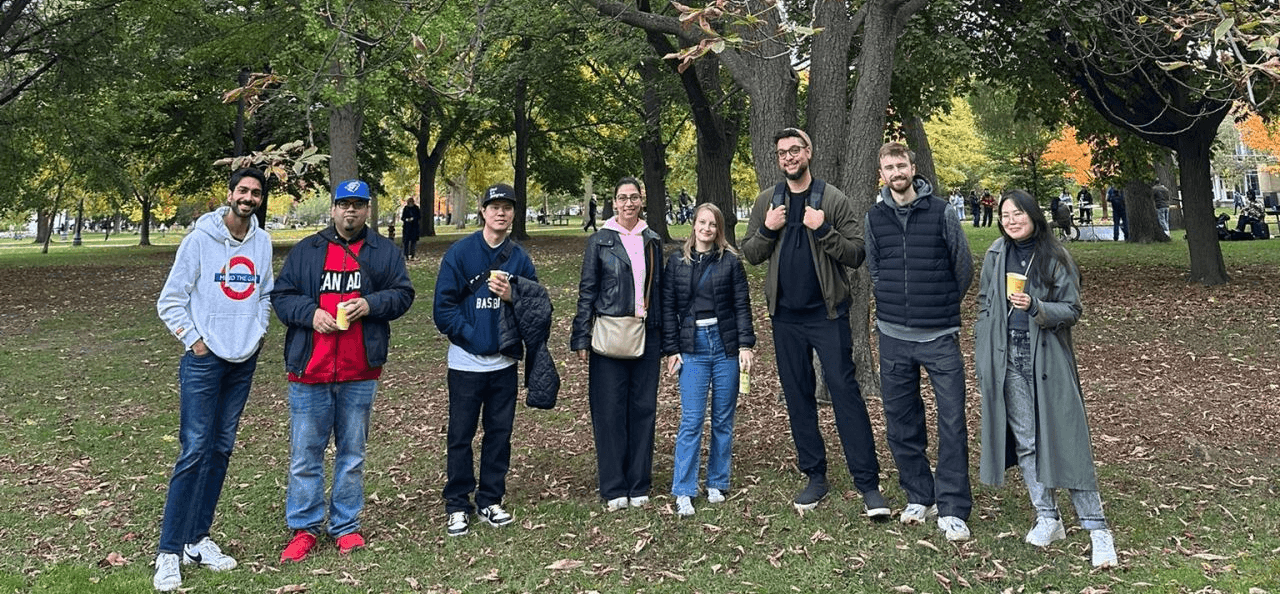
Passion Projects
Our most memorable episode. We asked: what are you actually working on? What lights you up? Everyone had something to share. We walked the park, stopped at Pilot Coffee on Ossington, kept talking, and walked back. One of those days you don't want to end.
Observe & Draw
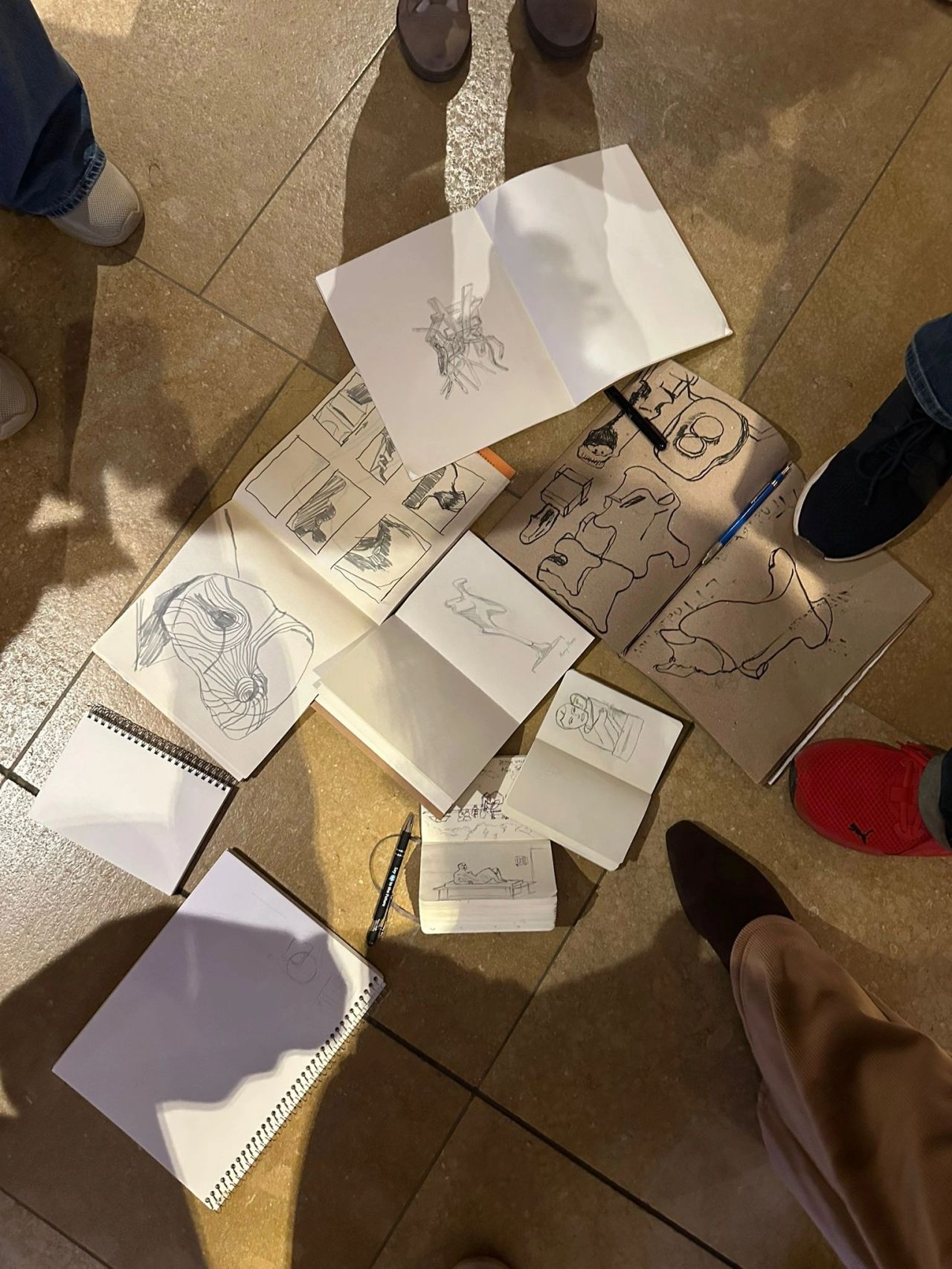
Participants brought sketchbooks. We moved through the Art Gallery of Ontario together — drawing, looking, noticing. A reminder to slow down and really see. An episode that reconnected people with their hands.
Winter Walk
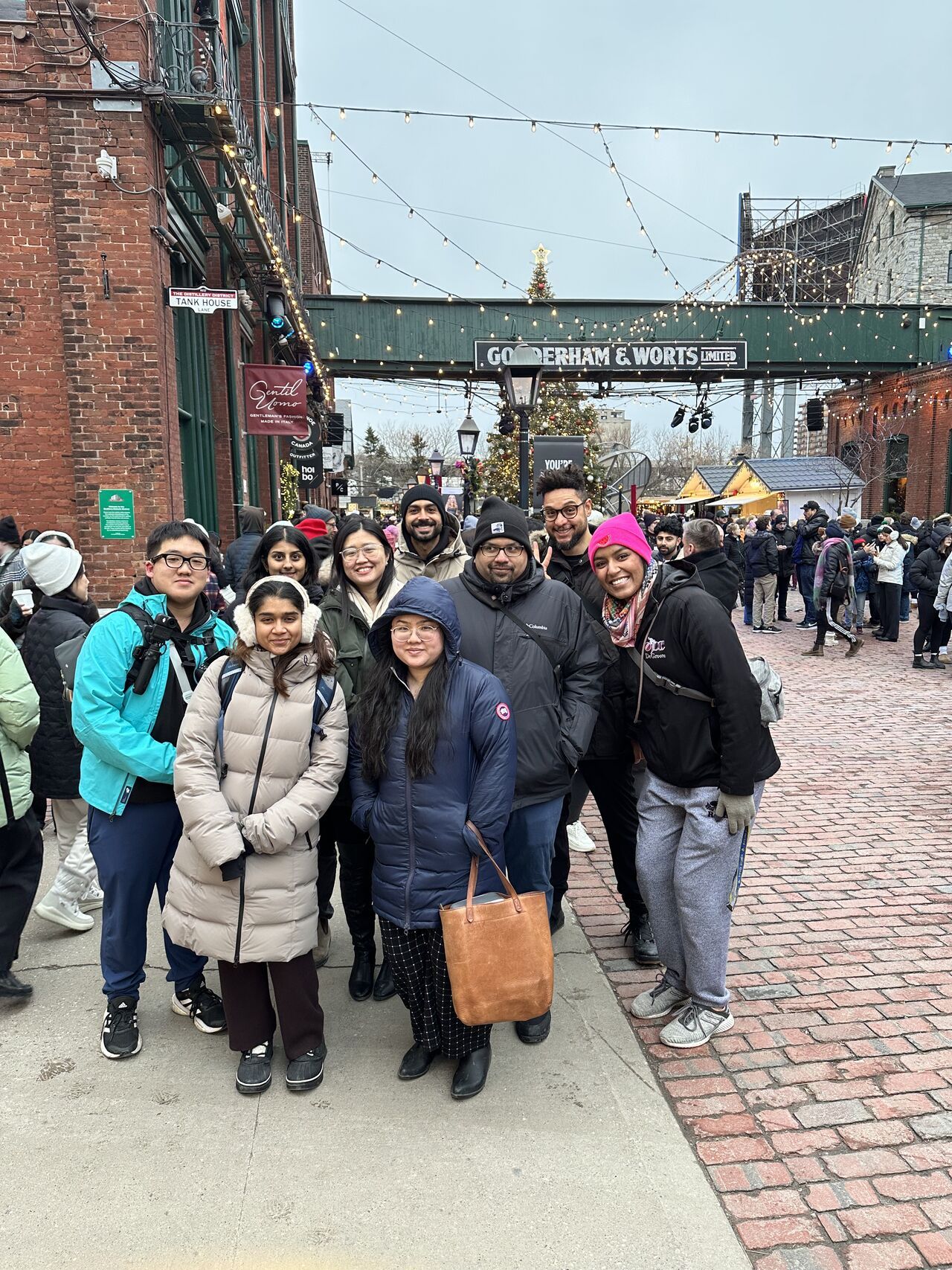
Freezing cold. Christmas Market in full swing. We showed up anyway, and so did our community. There's something meaningful about a group that won't be stopped by the weather.
We just kept showing up.
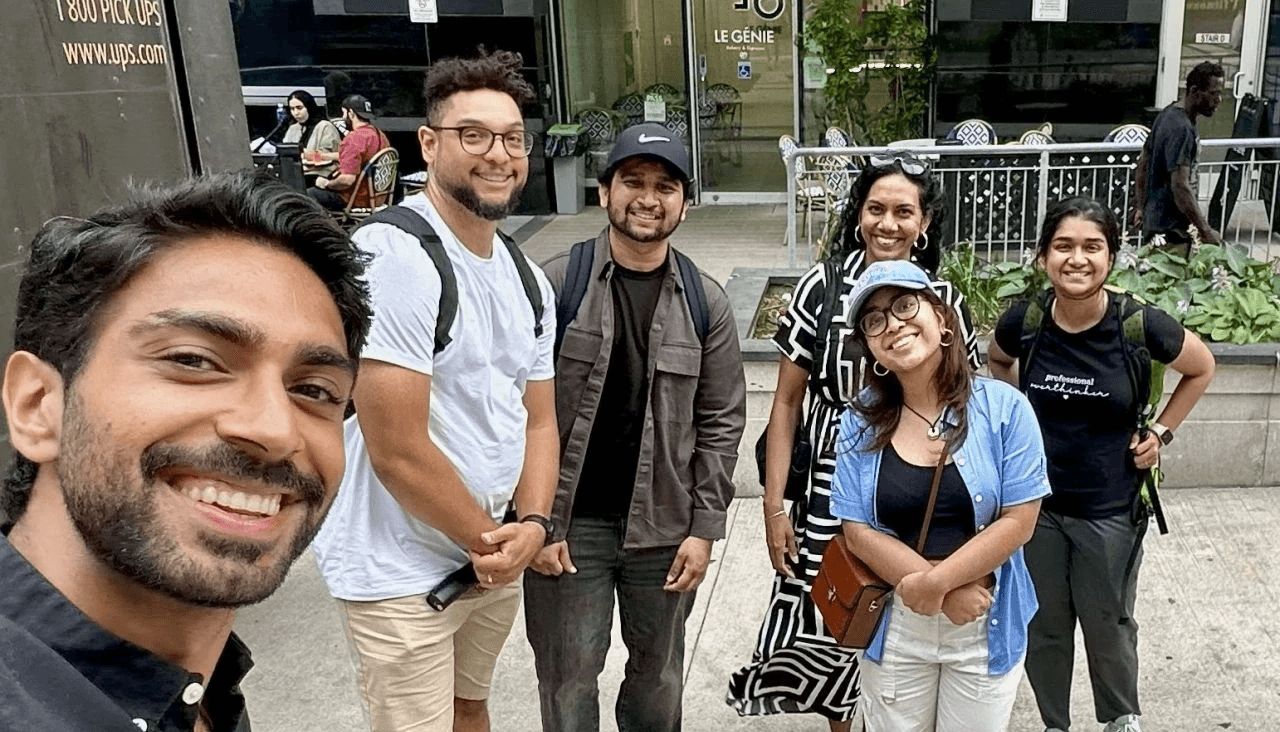
12 consecutive months. Summer heat, October rain, December frost. The community showed up because we showed up first. Trust is built in the repetition.
Designing experiences for a community is different from designing products.
You can't prototype your way to trust — you just have to show up, consistently, and create conditions where people feel safe enough to be real with each other.
The October walk was the clearest proof. We gave people a theme and a question, and they brought the rest. Stories about passion projects shelved during the pandemic. Designs started on napkins. Ideas that still won't let go.
"That conversation happened because we created the space for it — but it was entirely theirs."
Trust isn't a feature you ship — it's what accumulates when you show up every month for a year straight, weather be damned. Consistency is the design decision.
The walk isn't decoration. The movement, the side-by-side proximity, the absence of a screen — these are active ingredients. The format is the product.
~20 people sounds small. It is. That's the point. The right size for real conversation — not a crowd, a gathering.
Real relationships with other designers — not follower counts. The kind you can text when you're struggling with a job search or a creative block.
Space to say what you're actually dealing with — not what you'd post on LinkedIn. Career doubts. Creative frustrations. The real stuff.
The design community they wanted but couldn't quite find. A group with no agenda except to show up and keep walking.
DesignWalks is ongoing, free, and open to any UXer in Toronto.
We run one episode a month. If you've ever felt like the design community you wanted didn't quite exist yet — come walk with us.
We've partnered with Jacki Torres, founder of UX Chats in San Francisco — who has already launched her first DesignWalk. The model is spreading, city by city, community by community.
This isn't about pitching services or hunting for jobs — it's about building a compassionate creative community where we can be honest about where we are, where we want to be, and how we actually get there.
Designing Success
Take a look at how I collaborate with teams across diverse industries — bridging research, strategy, and craft to ship products that matter.